Unhurried Rails to Craft, Cloister, and High-Altitude Markets

Join us as we explore slow rail itineraries connecting makers, monasteries, and mountain markets, tracing branch lines, request stops, and hillside footpaths where clay dust glows in afternoon light, bells answer distant valleys, and trading songs carry across ridgelines. You will find route ideas, etiquette that earns real welcomes, and small, heartfelt stories from studios and refectories. Pack curiosity, patience, and a notebook; we will travel gently, buy directly, and leave helpful breadcrumbs for the next respectful wanderer.

Mapping Quiet Tracks and Finding the Gentle Connections

{{SECTION_SUBTITLE}}
Reading Rural Timetables and Spotting Hidden Request Stops
Rural timetables whisper possibilities through symbols many rush past. A tiny “x” may signal a request stop serving a potter’s hamlet, while minuscule footnotes reveal school-day variations that alter monastery visiting hours. Train frequency tells you how long conversations may breathe. Build cushions around the last return, photograph boards before leaving a platform, and ask station staff which stops the morning milk ride favors. Their memory often maps better than any app.

Clues from Station History Boards to Locate Workshops and Cloisters
Old station panels often list trades that flourished beside sidings: timber yards, wool scouring sheds, bell foundries. These breadcrumbs translate into modern studios tucked within walking distance. Pair that heritage with parish notices pinned near ticket machines to learn about vespers, bread sales, or icon restoration open days. Follow painted waymarks off the platform, count three stone bridges, then listen. The soft thunk of a loom or the bakery’s warm air will guide your steps.

Meeting Makers Without Rushing the Craft
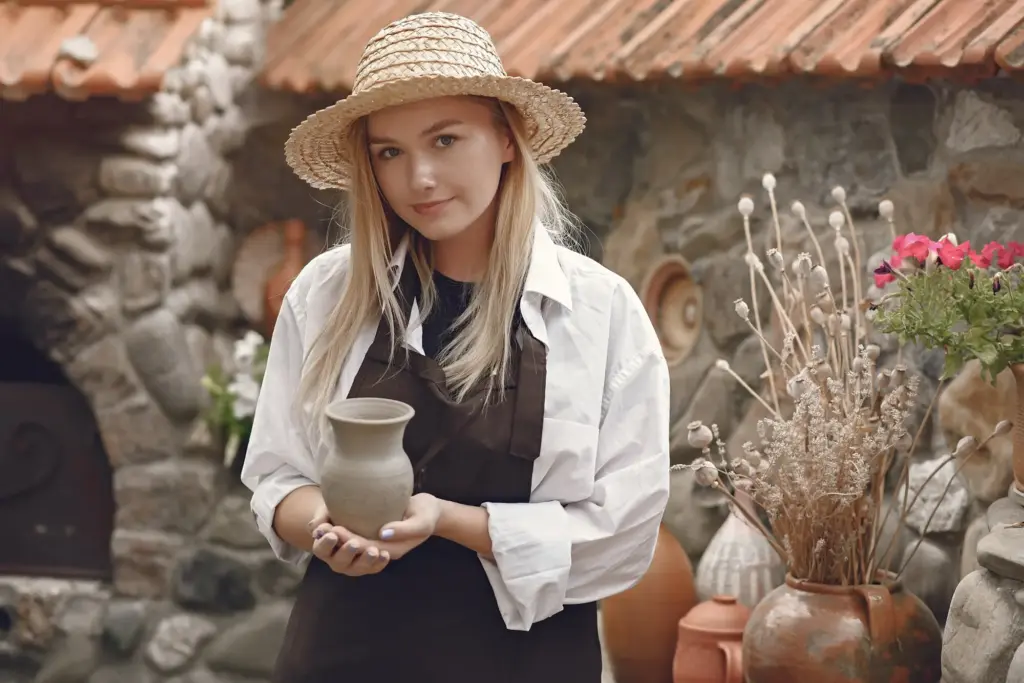
Workshops reward visitors who arrive with time, humility, and fair payment. Let the train pace set your pulse; step in only when invited, accept that some processes cannot pause, and ask before photographing. Bring sturdy wrapping, buy the piece with a small flaw that tells a human story, and hear how the wheel, chisel, or loom answered a grandparent’s teaching. Your purchase should travel home like a promise to use, mend, and remember the maker’s voice.

Cloisters Within Reach: Quiet Paths from Small Stations

Many monasteries rest a thoughtful hour from a halt, along paths brushed by juniper and bells. Arrive between services, dress simply, and let your phone remain asleep. Ask for the guestmaster, accept the pace of hospitality, and allow silence to be a full conversation. Bread loaves cool on windowsills; manuscripts breathe in climate-soft rooms; bees learn your calm before approaching flowers. Depart lighter, pocketing only a prayer card and the memory of being gently seen.
The bell tower holds the community’s clock, not your itinerary. Consult posted schedules, then add generosity between prayers, meals, and work periods. If you hear chanting from a side chapel, step back rather than closer. Some cloisters welcome women and men on alternate days; some ask shoulders and knees be covered all year. A respectful rhythm unlocks courtyards and herb gardens closed to hurried feet, and conversations deepen when you honor their vows.
Monastic guesthouses offer stone-thick sleep, soup that tastes of patient gardens, and tables set for listening. Book by letter or plain email, accepting that replies can take a moon’s turn. Offer a donation in the box without ceremony; it keeps roofs sound and bees fed. Help stack wood or wash dishes if invited. Morning light on lintels becomes breakfast grace, and departing trains carry you onward with rested bones and steadier attention.

Ridge-Top Bazaars and Valley Lines: Markets that Breathe with Weather
Catching Dawn Trains and Walking the Last Steep Kilometers

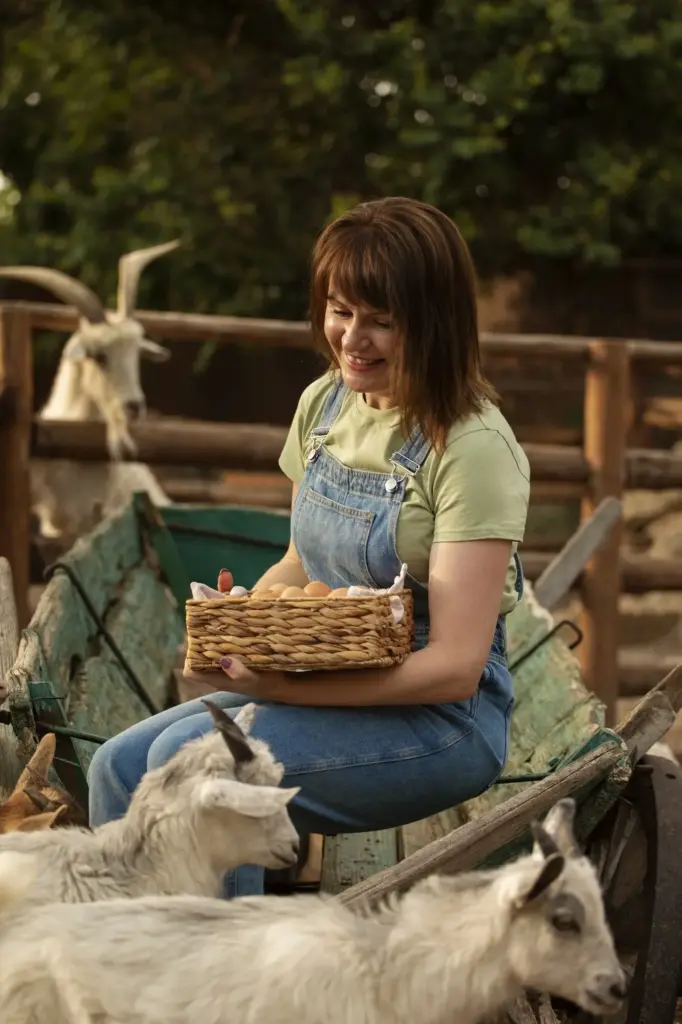
Markets flower at sunrise, so ride the first departure, coffee in a lidded cup and soles ready for frost. Confirm return times before climbing; fog can muffle announcements. Share switchbacks with bakers carrying warm loaves, and greet each passerby. The final slope calibrates your appetite and your purchases. What you can carry, you can honor. Arriving winded, smiling, and on time is the best invitation to friendly bargaining and generous stories.

Reading Produce Like a Weather Chronicle

Cabbage size, apple blush, and the thickness of wool braids document a season better than charts. Ask which pastures faced the longest shade or where hail cut pathways. You will hear drama and pride braided into every price. When a cheesemaker slides you a tasting sliver, listen for the meadow in it. Buying becomes an act of witness and support, feeding you while anchoring livelihoods that ride the same modest trains you do.

From Saddlebag to Handcar: Micro-Logistics of a High Market

Watch how goods arrive: panniers, rope slings, a handcar coasting down from a forestry spur. These systems reveal why certain stalls prefer cash, exact change, and small bills. Offer your clean tote to consolidate fragile items, and step aside when pushcarts pivot. If rain starts, tents bloom, and prices may flex. Keep your ticket dry, your hands warm, and your promises kept. Traders remember considerate travelers and make time when you return next year.

A Three-Day Journey Linking Workshop, Cloister, and Summit Fair

Here is a sample rhythm, not a prescription. We follow a valley line where studios open their doors, branch to a hillside monastery for evening calm, and ride a summit tramway to a wind-bright market. Transfers stay generous, meals simple, and nights close to stations. This pattern balances encounters and rest, guarding space for accidents of kindness: a kiln opening, unexpected vespers, or a stallholder pressing a recipe into your palm for the train ride home.

Travel Light, Keep Warm: Gear for Rails and Footpaths

Backpacks that Swallow Wool Yet Tuck into Overhead Racks

Seek a soft-structured pack with a clamshell opening, internal compression, and a flat front that slides beneath seats. Add a shoe bag for cheeses and a sweater sleeve for ceramics. Side pockets cradle a thermos and a slim map tube. Test lifting one-handed on a moving train. If you can stow it without bruising neighbors, you will be welcomed often. Your bag should earn smiles from conductors and leave room for kindness.

Layering for Tunnels, Altitude, and Candlelit Chapels

Temperature swings across galleries, platforms, and nave-side pews deserve smart layers: merino base, wind shirt, wool cardigan, packable shell. Choose quiet fabrics that do not rasp in sacred spaces. A beanie doubles as a ceramic wrap in emergencies. Keep socks dry, scarf breathable, and colors muted enough to blend into both markets and cloisters. Comfort builds patience, patience builds conversation, and conversation unlocks doors timetables never list but locals open with trust.

A Sketch–Receipt–Journal That Remembers What Photos Forget

Carry a small notebook clipped to your ticket wallet. Sketch stall layouts, trace a bell profile, and jot steam times beside bread aromas. Tape receipts with maker names, glue herb leaves, and mark pronunciations. When trains rock and signal masts flicker by, you will revisit places through paper textures and penciled warmth. Later, sharing these pages online or by letter invites others politely into the path, without geotagging fragile corners beyond their carrying capacity.

Community and Care: Giving Back Along the Line
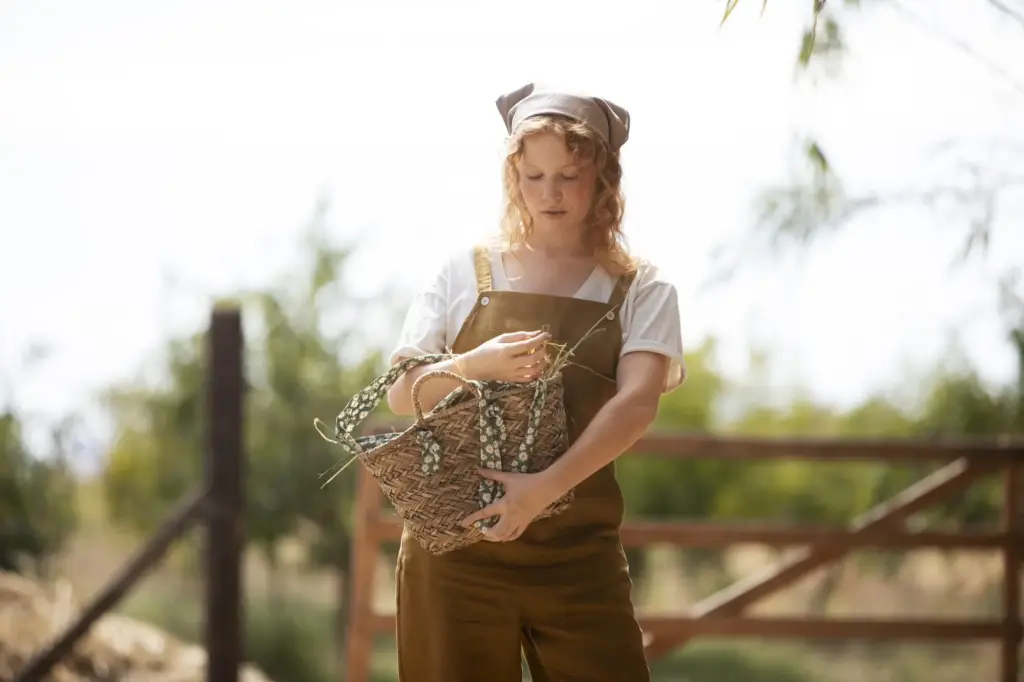
Slow rail journeys ask reciprocity. Buy local, tip knowledgeably, and support the tiniest stations that keep doors unlocked. Share routes with sensitivity, masking fragile shortcuts that cannot handle crowds. Offer to carry a crate, return a borrowed umbrella, and write the train operator praising a helpful guard. Tell us what you learned, what you loved, and what you changed after listening. Your story may guide another traveler toward generosity, repair, and bright-eyed welcome.
Kentonovizorivexonexo
Privacy Overview

This website uses cookies so that we can provide you with the best user experience possible. Cookie information is stored in your browser and performs functions such as recognising you when you return to our website and helping our team to understand which sections of the website you find most interesting and useful.